
Lucas Digne transfer: what his last move changed

The latest stories
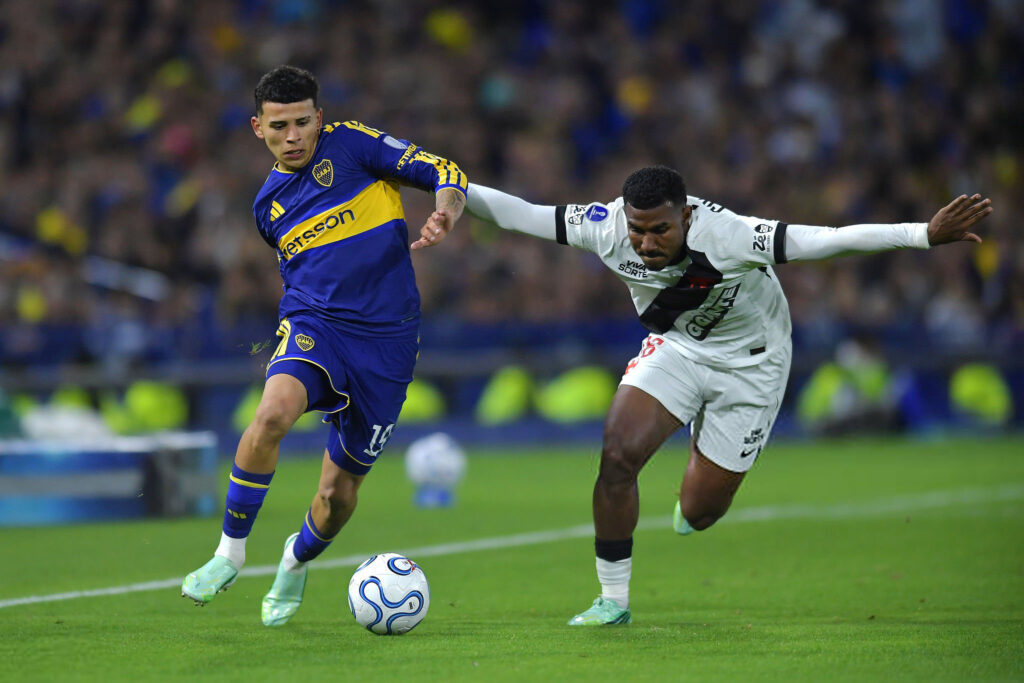
Vasco da Gama hold Boca 1-0 in Sudamericana semi
14 Oct 2026
Islanders outlast Canucks 3-2 as Palmieri scores twice
14 Oct 2026
Blues pour it on in Ottawa as special teams and sharp finishing power a 7-2 win
14 Oct 2026
Rangers 4-1 Lightning at MSG: numbers behind a statement win
14 Oct 2026
Kraken top Flyers in shootout in Philadelphia
14 Oct 2026
Hurricanes 4-2 Capitals: Raleigh roar as Canes take control
14 Oct 2026
Canadiens beat Sabres in shootout after 38-shot surge
14 Oct 2026Lucas Digne transfer: what his last move changed
Lucas Digne’s most recent football transfer is under the spotlight today. We look at what it means for his role, playing style and week to week output. You can find his full career path, fixtures and live match data on Sofascore, which updates as matches unfold. We also touch on his roots at Paris Saint-Germain and how that background still shows up in his game.
A move shaped by experience and timing
Digne is a modern left back who blends clean technique with reliable defending. His last transfer came after seasons played at a consistently high level in Europe. For a buying club, that track record reduces risk when rebuilding a back line. For the player, it offered a fresh start and a role in a system that suits his strengths. The timing also aligned with a clear squad need on the left side.
The move also connects to his early path at Paris Saint-Germain, a club that helped shape his foundation. Experience from that environment typically helps when expectations are high. He knows how to manage big match tempo and pressure moments. That steadiness can be as valuable as a flying overlap. It explains why coaches trust him in different match states. It also explains why his profile stays attractive across windows.
Why the buying club wanted this profile
Modern full backs must press, pass and create. Digne checks those boxes with quick deliveries and a calm first touch. He can switch play under pressure and angle crosses into the half space. On set pieces, his left foot travels well and brings chances from wide free kicks and corners. In defensive duels, he picks his moments rather than diving in. That fits teams that prefer control with the ball.
The transfer also balanced the depth chart on the left. Competition for minutes raises training standards and widens tactical options. If the coach wants a back four, he holds width and times underlaps to release a winger. If the coach flips to a back three, he can operate as a wing back and still deliver key passes. Either way, the new club gains a stable outlet to progress play. That was the core of the recruitment case.
What changes on the pitch
Expect early crosses when the striker attacks the near post. Expect late deliveries when midfielders arrive at the edge of the box. He often steps inside to combine, which opens the outside lane for a winger to stretch. He also uses quick one twos to break a press and reset the rhythm. When pinned back, he clears lines with height rather than risk central turnovers.
The move also affects set piece maps around both areas. With his service, center backs get more targets to attack in the box. Second balls around the D become part of the chance creation plan. On the other end, he marks zones cleanly on defensive corners and stays alert for counters. These small details often tilt close league games without much noise.
Track the impact with Sofascore
If you want the fast read, open Lucas Digne on Sofascore. You will see live momentum, heatmaps and the match by match Sofascore Rating. The scale is clear, with 10 as a perfect score. Ratings update in real time as actions build up. They give context beyond simple pass counts and raw possession. You can also compare his game to other left backs in the league using dashboards.
Use the shot and chance creation maps to check where his assists tend to start. Use event filters to review pressing, interceptions and recoveries. Follow player notes for lineup updates on matchdays. When he starts, set an alert to catch early crosses and key passes. If he is rotated, you will still get a bench update before kick off. It is a clean way to keep up with a busy schedule.
What to watch in the next phase
After any transfer, rhythm is the first checkpoint. Minutes, touch count and progressive passes tell that story fast. Chemistry with the winger on his flank matters as much as pure tactics. Watch the overlap timing in the first five league games. Also track communication with the near side center back when defending transitions.
The next stretch of fixtures will show where the ceiling sits. A stable run of starts usually brings sharper service from wide areas. If the role shifts, his balanced skill set still gives the coach options across shapes. We will keep tracking his trends on Sofascore so you do not have to. Tap the follow icon on his profile to get notified when the next update lands. Simple, quick and useful for every matchday.

The latest stories
Vasco da Gama hold Boca 1-0 in Sudamericana semi
14 Oct 2026Islanders outlast Canucks 3-2 as Palmieri scores twice
14 Oct 2026Blues pour it on in Ottawa as special teams and sharp finishing power a 7-2 win
14 Oct 2026Rangers 4-1 Lightning at MSG: numbers behind a statement win
14 Oct 2026Kraken top Flyers in shootout in Philadelphia
14 Oct 2026Hurricanes 4-2 Capitals: Raleigh roar as Canes take control
14 Oct 2026
Lucas Digne’s most recent football transfer is under the spotlight today. We look at what it means for his role, playing style and week to week output. You can find his full career path, fixtures and live match data on Sofascore, which updates as matches unfold. We also touch on his roots at Paris Saint-Germain and how that background still shows up in his game.
A move shaped by experience and timing
Digne is a modern left back who blends clean technique with reliable defending. His last transfer came after seasons played at a consistently high level in Europe. For a buying club, that track record reduces risk when rebuilding a back line. For the player, it offered a fresh start and a role in a system that suits his strengths. The timing also aligned with a clear squad need on the left side.
The move also connects to his early path at Paris Saint-Germain, a club that helped shape his foundation. Experience from that environment typically helps when expectations are high. He knows how to manage big match tempo and pressure moments. That steadiness can be as valuable as a flying overlap. It explains why coaches trust him in different match states. It also explains why his profile stays attractive across windows.
Why the buying club wanted this profile
Modern full backs must press, pass and create. Digne checks those boxes with quick deliveries and a calm first touch. He can switch play under pressure and angle crosses into the half space. On set pieces, his left foot travels well and brings chances from wide free kicks and corners. In defensive duels, he picks his moments rather than diving in. That fits teams that prefer control with the ball.
The transfer also balanced the depth chart on the left. Competition for minutes raises training standards and widens tactical options. If the coach wants a back four, he holds width and times underlaps to release a winger. If the coach flips to a back three, he can operate as a wing back and still deliver key passes. Either way, the new club gains a stable outlet to progress play. That was the core of the recruitment case.
What changes on the pitch
Expect early crosses when the striker attacks the near post. Expect late deliveries when midfielders arrive at the edge of the box. He often steps inside to combine, which opens the outside lane for a winger to stretch. He also uses quick one twos to break a press and reset the rhythm. When pinned back, he clears lines with height rather than risk central turnovers.
The move also affects set piece maps around both areas. With his service, center backs get more targets to attack in the box. Second balls around the D become part of the chance creation plan. On the other end, he marks zones cleanly on defensive corners and stays alert for counters. These small details often tilt close league games without much noise.
Track the impact with Sofascore
If you want the fast read, open Lucas Digne on Sofascore. You will see live momentum, heatmaps and the match by match Sofascore Rating. The scale is clear, with 10 as a perfect score. Ratings update in real time as actions build up. They give context beyond simple pass counts and raw possession. You can also compare his game to other left backs in the league using dashboards.
Use the shot and chance creation maps to check where his assists tend to start. Use event filters to review pressing, interceptions and recoveries. Follow player notes for lineup updates on matchdays. When he starts, set an alert to catch early crosses and key passes. If he is rotated, you will still get a bench update before kick off. It is a clean way to keep up with a busy schedule.
What to watch in the next phase
After any transfer, rhythm is the first checkpoint. Minutes, touch count and progressive passes tell that story fast. Chemistry with the winger on his flank matters as much as pure tactics. Watch the overlap timing in the first five league games. Also track communication with the near side center back when defending transitions.
The next stretch of fixtures will show where the ceiling sits. A stable run of starts usually brings sharper service from wide areas. If the role shifts, his balanced skill set still gives the coach options across shapes. We will keep tracking his trends on Sofascore so you do not have to. Tap the follow icon on his profile to get notified when the next update lands. Simple, quick and useful for every matchday.