
NFL Historical: Quarterbacks Who Changed the Game

The latest stories

Cristiano Ronaldo Says Goodbye: The Records He Leaves Behind Are Unreal
5 Nov 2026
Who Is the Bundesliga’s Best Goalkeeper? The Answer Will Surprise You
5 Nov 2026
UEFA Champions League Team of the Week: Round 4 standouts
5 Nov 2026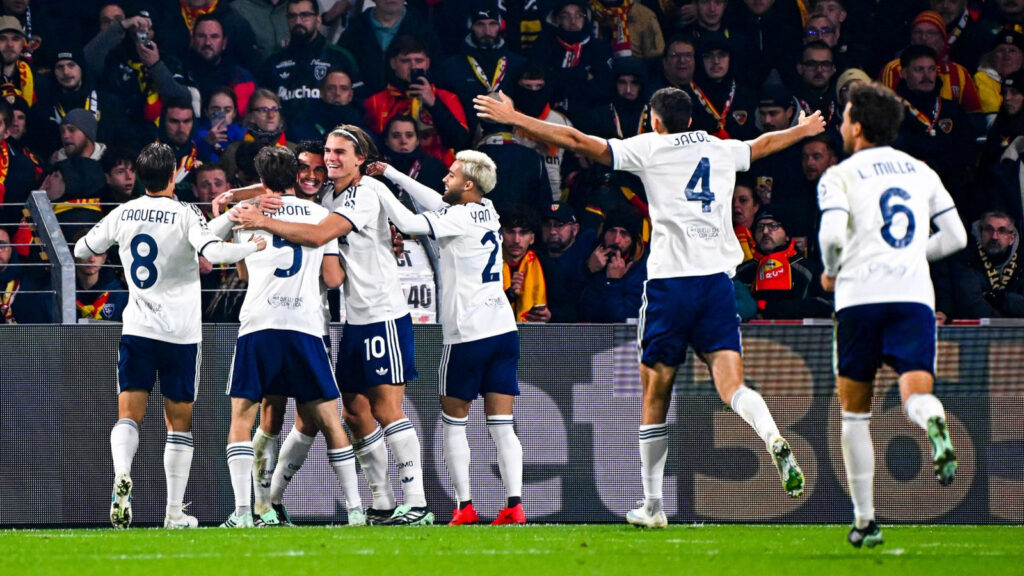
Lens-Como 1-9, Fàbregas rewrites Champions League history: Record-breaking Douvikas, Nico Paz dazzles
5 Nov 2026
Victor Wembanyama drops 52 as Spurs hold off Mavericks 112-111
5 Nov 2026
RB Leipzig 2-3 Man City: Anderson runs the show in Champions League thriller
4 Nov 2026
Fenerbahçe 3-2 Liverpool: UCL report with numbers that matter
4 Nov 2026NFL Historical: Quarterbacks Who Changed the Game
Quarterbacks have always been central to the NFL, but a few did more than win games. They changed how the position is played, how offenses are built, and what teams expect from their leaders. From early risk-takers to masters of preparation and modern improvisers, these quarterbacks reshaped the league in ways that still define modern football.
Joe Namath (New York Jets)
The first NFL quarterback to become a national celebrity, Joe Namath helped transform the quarterback from game manager to marquee figure. Playing his entire career with the New York Jets, Namath finished with the Jets with 27,663 passing yards and 173 touchdowns (regular season). His guaranteed win in Super Bowl III — and the Jets’ 16–7 victory over the Baltimore Colts — helped legitimize the AFL and accelerate the merger with the NFL. Namath’s willingness to throw deep and his confident personality helped push the league toward a more vertical passing game.

Terry Bradshaw (Pittsburgh Steelers)
Terry Bradshaw became a symbol of the 1970s Steelers dynasty. With the Pittsburgh Steelers, Bradshaw threw for over 27,000 regular-season yards and 212 touchdowns across his career. His big arm and fearless style flourished in a vertical offense that complemented one of the league’s most powerful defenses. Bradshaw’s success showed teams that a strong passing attack could coexist with dominant defense, influencing how Super Bowl contenders were built in that era.
Read more: NFL Historical: NFL Teams You Didn’t Know Existed (1920–1950)
Joe Montana (San Francisco 49ers, Kansas City Chiefs)
Considered one of the greatest postseason quarterbacks ever, Joe Montana rewrote what it meant to be efficient and accurate. In his regular-season career with the 49ers and Chiefs, he threw for over 40,000 yards and 273 touchdowns. Montana’s mastery of the West Coast offense — prioritizing timing, short throws, and decision-making — showed how precision could be as effective as power. His four Super Bowl wins and consistent clutch play made him a standard for late-game execution.

Dan Marino (Miami Dolphins)
While Marino never won a Super Bowl, no player pushed passing production further than Dan Marino. With the Miami Dolphins, Marino finished with 61,361 passing yards and 420 touchdowns in the regular season. His 1984 season — over 5,000 yards and 48 touchdowns — reset expectations for what a passing offense could achieve, lifting the league toward more aggressive aerial systems. Marino’s quick release and anticipation influenced how modern quarterbacks attack defenses.

John Elway (Denver Broncos)
A quarterback of rare athleticism and late-game heroics, John Elway spent his career with the Denver Broncos, throwing for 51,475 regular-season yards and 300 touchdowns. Elway helped bring mobility and improvisation to the position while still commanding traditional pocket passing. His two Super Bowl wins and ability to engineer comebacks in pressure situations helped redefine quarterback leadership and adaptability.
Brett Favre (Green Bay Packers, New York Jets, Minnesota Vikings)
Brett Favre was one of the game’s greatest ironmen and gunslingers. Over his long career — mostly with the Green Bay Packers, plus stints with the Jets and Vikings — he amassed 71,838 regular-season passing yards and 508 touchdowns. Favre’s durability, fearless style, and willingness to take risks helped usher in a more aggressive quarterback mentality. His ability to extend plays and throw from varied platforms influenced a generation of young quarterbacks.
Read more: NFL Historical: Jerry Rice and the Records That Still Define the NFL
Peyton Manning (Indianapolis Colts, Denver Broncos)
Peyton Manning transformed the quarterback role into a cerebral art form. With the Colts and later the Broncos, he threw for 71,940 regular-season yards and 539 touchdowns. Manning’s command of pre-snap reads, audibles, and defensive recognition changed how offenses are run and how quarterbacks prepare. His record-setting 2013 season (55 touchdowns, 5,477 yards) remains a benchmark of quarterback efficiency and offensive design.
Tom Brady (New England Patriots, Tampa Bay Buccaneers)
The most decorated quarterback in NFL history, Tom Brady combined longevity with peak performance. In the regular season, he passed for 89,214 yards and 649 touchdowns, numbers that rank among the best ever. Brady’s adaptability across systems — winning seven Super Bowls with two franchises — redefined quarterback durability and leadership. He showed that tactical intelligence and consistency can sustain elite play across decades.

Aaron Rodgers (Green Bay Packers, New York Jets, Pittsburgh Steelers)
Known for his efficiency and precision, Aaron Rodgers has spent his career with the Green Bay Packers, with regular-season totals over 55,000 yards and 475 touchdowns (and one of the best TD/INT ratios in league history). Rodgers elevated expectations around quarterback mechanics, accuracy, and decision-making. His ability to create outside structure and avoid turnovers influenced modern quarterback development and metrics.

Patrick Mahomes (Kansas City Chiefs)
The current face of the NFL’s next era, Patrick Mahomes blends creativity, power, and improvisation. With the Kansas City Chiefs, Mahomes has already thrown for over 25,000 regular-season yards and 200+ touchdowns early in his career, and earned multiple MVPs and Super Bowl titles. His ability to make plays off structure and throw from any platform has helped define what a modern quarterback can do athletically and strategically.
Why These Quarterbacks Matter
Each quarterback on this list did more than succeed on the field. They changed expectations for their position, influenced coaches’ schemes, and left marks that can still be seen in today’s NFL systems. They shaped not only statistics but the essence of how the quarterback role has evolved across eras.
Explore Quarterback History on Sofascore
All of these players, along with their seasons, statistics, and historical performances, are available on Sofascore. With NFL Historical coverage from 1920 and detailed regular-season and playoff data, Sofascore lets fans explore how the quarterback position evolved by selecting any season and diving into the numbers behind the greatest quarterbacks in NFL history.
Read more: NFL Historical: The Ultimate NFL Archive, ONLY on Sofascore
The latest stories
Cristiano Ronaldo Says Goodbye: The Records He Leaves Behind Are Unreal
5 Nov 2026Who Is the Bundesliga’s Best Goalkeeper? The Answer Will Surprise You
5 Nov 2026UEFA Champions League Team of the Week: Round 4 standouts
5 Nov 2026Lens-Como 1-9, Fàbregas rewrites Champions League history: Record-breaking Douvikas, Nico Paz dazzles
5 Nov 2026Victor Wembanyama drops 52 as Spurs hold off Mavericks 112-111
5 Nov 2026RB Leipzig 2-3 Man City: Anderson runs the show in Champions League thriller
4 Nov 2026
Quarterbacks have always been central to the NFL, but a few did more than win games. They changed how the position is played, how offenses are built, and what teams expect from their leaders. From early risk-takers to masters of preparation and modern improvisers, these quarterbacks reshaped the league in ways that still define modern football.
Joe Namath (New York Jets)
The first NFL quarterback to become a national celebrity, Joe Namath helped transform the quarterback from game manager to marquee figure. Playing his entire career with the New York Jets, Namath finished with the Jets with 27,663 passing yards and 173 touchdowns (regular season). His guaranteed win in Super Bowl III — and the Jets’ 16–7 victory over the Baltimore Colts — helped legitimize the AFL and accelerate the merger with the NFL. Namath’s willingness to throw deep and his confident personality helped push the league toward a more vertical passing game.
Terry Bradshaw (Pittsburgh Steelers)
Terry Bradshaw became a symbol of the 1970s Steelers dynasty. With the Pittsburgh Steelers, Bradshaw threw for over 27,000 regular-season yards and 212 touchdowns across his career. His big arm and fearless style flourished in a vertical offense that complemented one of the league’s most powerful defenses. Bradshaw’s success showed teams that a strong passing attack could coexist with dominant defense, influencing how Super Bowl contenders were built in that era.
Read more: NFL Historical: NFL Teams You Didn’t Know Existed (1920–1950)
Joe Montana (San Francisco 49ers, Kansas City Chiefs)
Considered one of the greatest postseason quarterbacks ever, Joe Montana rewrote what it meant to be efficient and accurate. In his regular-season career with the 49ers and Chiefs, he threw for over 40,000 yards and 273 touchdowns. Montana’s mastery of the West Coast offense — prioritizing timing, short throws, and decision-making — showed how precision could be as effective as power. His four Super Bowl wins and consistent clutch play made him a standard for late-game execution.
Dan Marino (Miami Dolphins)
While Marino never won a Super Bowl, no player pushed passing production further than Dan Marino. With the Miami Dolphins, Marino finished with 61,361 passing yards and 420 touchdowns in the regular season. His 1984 season — over 5,000 yards and 48 touchdowns — reset expectations for what a passing offense could achieve, lifting the league toward more aggressive aerial systems. Marino’s quick release and anticipation influenced how modern quarterbacks attack defenses.
John Elway (Denver Broncos)
A quarterback of rare athleticism and late-game heroics, John Elway spent his career with the Denver Broncos, throwing for 51,475 regular-season yards and 300 touchdowns. Elway helped bring mobility and improvisation to the position while still commanding traditional pocket passing. His two Super Bowl wins and ability to engineer comebacks in pressure situations helped redefine quarterback leadership and adaptability.
Brett Favre (Green Bay Packers, New York Jets, Minnesota Vikings)
Brett Favre was one of the game’s greatest ironmen and gunslingers. Over his long career — mostly with the Green Bay Packers, plus stints with the Jets and Vikings — he amassed 71,838 regular-season passing yards and 508 touchdowns. Favre’s durability, fearless style, and willingness to take risks helped usher in a more aggressive quarterback mentality. His ability to extend plays and throw from varied platforms influenced a generation of young quarterbacks.
Read more: NFL Historical: Jerry Rice and the Records That Still Define the NFL
Peyton Manning (Indianapolis Colts, Denver Broncos)
Peyton Manning transformed the quarterback role into a cerebral art form. With the Colts and later the Broncos, he threw for 71,940 regular-season yards and 539 touchdowns. Manning’s command of pre-snap reads, audibles, and defensive recognition changed how offenses are run and how quarterbacks prepare. His record-setting 2013 season (55 touchdowns, 5,477 yards) remains a benchmark of quarterback efficiency and offensive design.
Tom Brady (New England Patriots, Tampa Bay Buccaneers)
The most decorated quarterback in NFL history, Tom Brady combined longevity with peak performance. In the regular season, he passed for 89,214 yards and 649 touchdowns, numbers that rank among the best ever. Brady’s adaptability across systems — winning seven Super Bowls with two franchises — redefined quarterback durability and leadership. He showed that tactical intelligence and consistency can sustain elite play across decades.
Aaron Rodgers (Green Bay Packers, New York Jets, Pittsburgh Steelers)
Known for his efficiency and precision, Aaron Rodgers has spent his career with the Green Bay Packers, with regular-season totals over 55,000 yards and 475 touchdowns (and one of the best TD/INT ratios in league history). Rodgers elevated expectations around quarterback mechanics, accuracy, and decision-making. His ability to create outside structure and avoid turnovers influenced modern quarterback development and metrics.
Patrick Mahomes (Kansas City Chiefs)
The current face of the NFL’s next era, Patrick Mahomes blends creativity, power, and improvisation. With the Kansas City Chiefs, Mahomes has already thrown for over 25,000 regular-season yards and 200+ touchdowns early in his career, and earned multiple MVPs and Super Bowl titles. His ability to make plays off structure and throw from any platform has helped define what a modern quarterback can do athletically and strategically.
Why These Quarterbacks Matter
Each quarterback on this list did more than succeed on the field. They changed expectations for their position, influenced coaches’ schemes, and left marks that can still be seen in today’s NFL systems. They shaped not only statistics but the essence of how the quarterback role has evolved across eras.
Explore Quarterback History on Sofascore
All of these players, along with their seasons, statistics, and historical performances, are available on Sofascore. With NFL Historical coverage from 1920 and detailed regular-season and playoff data, Sofascore lets fans explore how the quarterback position evolved by selecting any season and diving into the numbers behind the greatest quarterbacks in NFL history.
Read more: NFL Historical: The Ultimate NFL Archive, ONLY on Sofascore