
Ottawa Senators beat Devils 4-1: stats that mattered

Последние новости
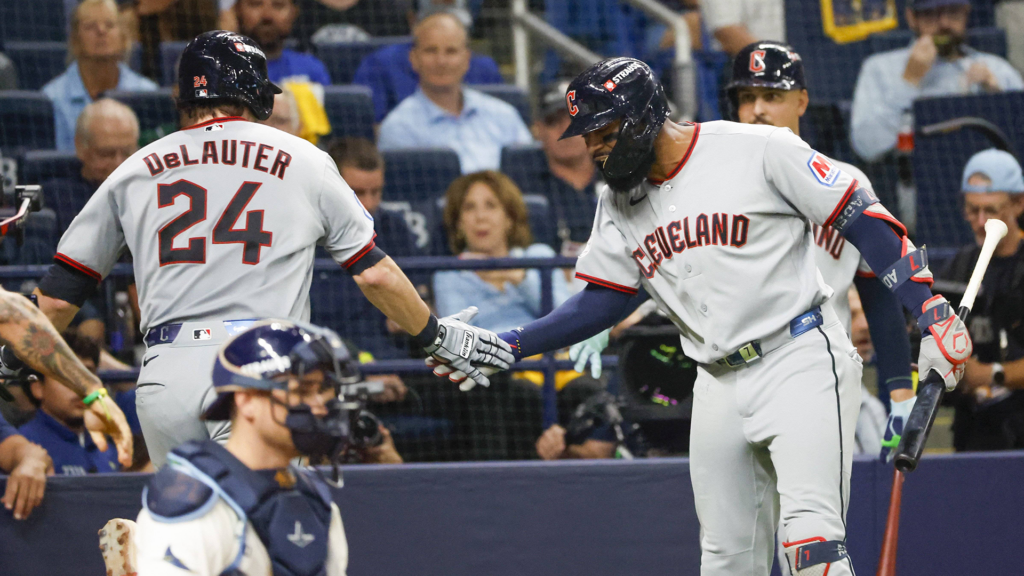
Guardians surge late to beat Rays 7-3 in Tampa
13 окт. 2026 г.
Timberwolves hit 18 threes to beat Knicks at MSG
13 окт. 2026 г.
Nets beat Wizards 131-122 in NBA Preseason showcase
13 окт. 2026 г.
Wild 4-2 VGK: stars & stats
13 окт. 2026 г.
Ronaldo Scores in Al-Nassr 3–1 Victory, Closing in on 1,000 Career Goals
12 окт. 2026 г.
Boca Juniors vs Vasco: Argentina vs Brazil clash opens 2026 Copa Sudamericana semifinals
12 окт. 2026 г.Ottawa Senators beat Devils 4-1: stats that mattered
New Jersey owned the puck in Newark, but Ottawa owned the scoreboard. In front of 15,085 at Prudential Center, the Senators beat the Devils 4-1, riding clinical finishing, heavy shot blocking and a rock‑solid night from Linus Ullmark. New Jersey outshot Ottawa 30-20 and carried a big edge in Corsi and Fenwick, yet found only one way past the visiting goalie. The Senators struck twice in the second, added one in the third and closed it with an empty-netter. If you are a box score fan, this one was a masterclass in how to win a road game without winning the shot count.
Sofascore users will recognize the pattern here. The Devils created volume and zone time, but Ottawa turned moments into goals. Add in Ottawa’s edge in physical play and faceoffs when it mattered, and the path to a 4-1 result becomes clear.
Shot volume vs shot quality
New Jersey fired 30 shots on target to Ottawa’s 20 and posted a commanding 69.9% Corsi and 64.7% Fenwick. That territorial control did not translate to goals. At even strength, the Devils converted 1 of 26 shots on goal for just 3%, while the Senators scored 3 of 16 at a sharp 18%. The third period summed it up neatly. New Jersey led shots on goal 14-3, yet Ottawa scored twice and the hosts managed only one.
Average shot distance nudged toward Ottawa’s favor too, with the Senators at 10.4 compared to New Jersey’s 11.3. Shot types tell the same story. Ottawa went 3 of 11 on wrist shots and added a perfect 1 of 1 on a tip, while New Jersey converted 1 of 18 wrist shots and nothing else. The Devils had looks from everywhere, but the Senators got closer, cleaner chances and finished at a rate that wins on the road. On Sofascore, that shows up clearly in the shot map and shot-type breakdown.
Ottawa’s goalie wall and 30 blocks
Linus Ullmark was the difference. The Senators netminder stopped 29 of 30 shots for a .967 save percentage and earned the game’s first star. He posted 25 even‑strength saves, went a perfect 2 of 2 on the Devils’ power play and added two short‑handed stops. When New Jersey pushed hard late, Ullmark’s positioning and rebound control kept the lead safe.
He also had plenty of help. Ottawa blocked 30 shots compared to New Jersey’s 13, with Thomas Chabot swatting away 5 and Tyler Kleven getting in front of 4. Jordan Spence and Stephen Halliday chipped in 3 blocks each. That wall of bodies forced the Devils wide and into low‑percentage areas, and it showed most in the third period when Ottawa blocked 13 attempts. The Senators also outhit the Devils 21-11, setting a tone in front of their crease and keeping second chances to a minimum.
Special teams and discipline swung momentum
The penalty ledger tilted toward New Jersey and it hurt. The Devils took five penalties for 13 minutes, including a five‑minute boarding major to Anthony Mantha in the first period. Ottawa sat for only two minors and finished 1 of 5 on the power play, a tidy 20% that became the insurance they wanted. New Jersey’s power play went 0 of 2 and produced a power‑play shot percentage of 0%. Ottawa’s power‑play shot percentage landed at 25%, which matched the eye test.
Faceoffs on special teams tell a subtle tale. New Jersey actually won 1 of 3 power‑play draws and 5 of 7 while shorthanded. Ottawa, however, kept most of those moments brief, clearing quickly and getting set on entries. In a game decided by margins, that extra power‑play goal from Stephen Halliday at 29 minutes, assisted by Tim Stützle and Dylan Cozens, proved pivotal. Discipline kept Ottawa in control of the rhythm. With fewer trips to the box, the Senators dictated matchups and stifled New Jersey surges before they got rolling.
Faceoffs, flow and the timeline of key goals
Ottawa edged the overall faceoff battle 53% to 47% and took command in the second period at 68%. Dylan Cozens led the way at the dot with an 85.7% win rate, which helped Ottawa establish possession on special teams and protect a lead. Nico Hischier won 10 draws for New Jersey and Cody Glass went 64.3%, but the Senators carried the crucial neutral‑zone and defensive‑zone moments in the middle frame.
The scoring timeline tracked with that control. Ottawa opened early in the second at 21 minutes when Shane Pinto buried from Claude Giroux and Michael Amadio. Eight minutes later Halliday converted the power play for 2-0. In the third, Stützle made it 3-0 at 52 minutes off neat work from Spence and Chabot. The Devils finally broke through at 55 minutes, Arseny Gritsyuk finishing from Jack Hughes and Brenden Dillon to give the home crowd a spark. Tyler Kleven ended the comeback talk with an empty‑netter at 58 minutes, capping his night of 4 hits, 4 blocks and a team‑best plus‑two.
Player spotlights and what it means
Ottawa’s first, second and third stars tell the story. Ullmark was first star for good reason with .967 on 30 shots, Stützle took second star after a goal and an assist, and Halliday grabbed third star with the power‑play strike and three blocks. Chabot logged big minutes, racked up 5 blocks, added an assist and gave Ottawa calm exits. Kleven had the empty‑net goal and did the dirty work in front. It was a deep, road‑worthy effort.
For New Jersey, Jack Hughes set up Gritsyuk for the lone goal, Luke Hughes led the team with 4 shots from the blue line, and Evan Rodrigues piled up 4 shots. The Devils won the shot and shot‑attempt battle by a wide margin, including 14-3 in the third period, which suggests the process is there. The finishing and special teams were not. Head coach Sheldon Keefe will like the volume and zone time, but the tape will show too many pucks into shin pads and a need to get inside more consistently. D. J. Smith’s Senators, now sitting on a strong early‑season record, will carry this template into the next road stop. All the advanced numbers, shot maps and play‑by‑play from this one are available on Sofascore, which makes games like this easy to unpack beyond the scoreboard.
Последний матч
 НХЛ
НХЛ

Последние новости
Guardians surge late to beat Rays 7-3 in Tampa
13 окт. 2026 г.Timberwolves hit 18 threes to beat Knicks at MSG
13 окт. 2026 г.Nets beat Wizards 131-122 in NBA Preseason showcase
13 окт. 2026 г.Wild 4-2 VGK: stars & stats
13 окт. 2026 г.Ronaldo Scores in Al-Nassr 3–1 Victory, Closing in on 1,000 Career Goals
12 окт. 2026 г.
New Jersey owned the puck in Newark, but Ottawa owned the scoreboard. In front of 15,085 at Prudential Center, the Senators beat the Devils 4-1, riding clinical finishing, heavy shot blocking and a rock‑solid night from Linus Ullmark. New Jersey outshot Ottawa 30-20 and carried a big edge in Corsi and Fenwick, yet found only one way past the visiting goalie. The Senators struck twice in the second, added one in the third and closed it with an empty-netter. If you are a box score fan, this one was a masterclass in how to win a road game without winning the shot count.
Sofascore users will recognize the pattern here. The Devils created volume and zone time, but Ottawa turned moments into goals. Add in Ottawa’s edge in physical play and faceoffs when it mattered, and the path to a 4-1 result becomes clear.
Shot volume vs shot quality
New Jersey fired 30 shots on target to Ottawa’s 20 and posted a commanding 69.9% Corsi and 64.7% Fenwick. That territorial control did not translate to goals. At even strength, the Devils converted 1 of 26 shots on goal for just 3%, while the Senators scored 3 of 16 at a sharp 18%. The third period summed it up neatly. New Jersey led shots on goal 14-3, yet Ottawa scored twice and the hosts managed only one.
Average shot distance nudged toward Ottawa’s favor too, with the Senators at 10.4 compared to New Jersey’s 11.3. Shot types tell the same story. Ottawa went 3 of 11 on wrist shots and added a perfect 1 of 1 on a tip, while New Jersey converted 1 of 18 wrist shots and nothing else. The Devils had looks from everywhere, but the Senators got closer, cleaner chances and finished at a rate that wins on the road. On Sofascore, that shows up clearly in the shot map and shot-type breakdown.
Ottawa’s goalie wall and 30 blocks
Linus Ullmark was the difference. The Senators netminder stopped 29 of 30 shots for a .967 save percentage and earned the game’s first star. He posted 25 even‑strength saves, went a perfect 2 of 2 on the Devils’ power play and added two short‑handed stops. When New Jersey pushed hard late, Ullmark’s positioning and rebound control kept the lead safe.
He also had plenty of help. Ottawa blocked 30 shots compared to New Jersey’s 13, with Thomas Chabot swatting away 5 and Tyler Kleven getting in front of 4. Jordan Spence and Stephen Halliday chipped in 3 blocks each. That wall of bodies forced the Devils wide and into low‑percentage areas, and it showed most in the third period when Ottawa blocked 13 attempts. The Senators also outhit the Devils 21-11, setting a tone in front of their crease and keeping second chances to a minimum.
Special teams and discipline swung momentum
The penalty ledger tilted toward New Jersey and it hurt. The Devils took five penalties for 13 minutes, including a five‑minute boarding major to Anthony Mantha in the first period. Ottawa sat for only two minors and finished 1 of 5 on the power play, a tidy 20% that became the insurance they wanted. New Jersey’s power play went 0 of 2 and produced a power‑play shot percentage of 0%. Ottawa’s power‑play shot percentage landed at 25%, which matched the eye test.
Faceoffs on special teams tell a subtle tale. New Jersey actually won 1 of 3 power‑play draws and 5 of 7 while shorthanded. Ottawa, however, kept most of those moments brief, clearing quickly and getting set on entries. In a game decided by margins, that extra power‑play goal from Stephen Halliday at 29 minutes, assisted by Tim Stützle and Dylan Cozens, proved pivotal. Discipline kept Ottawa in control of the rhythm. With fewer trips to the box, the Senators dictated matchups and stifled New Jersey surges before they got rolling.
Faceoffs, flow and the timeline of key goals
Ottawa edged the overall faceoff battle 53% to 47% and took command in the second period at 68%. Dylan Cozens led the way at the dot with an 85.7% win rate, which helped Ottawa establish possession on special teams and protect a lead. Nico Hischier won 10 draws for New Jersey and Cody Glass went 64.3%, but the Senators carried the crucial neutral‑zone and defensive‑zone moments in the middle frame.
The scoring timeline tracked with that control. Ottawa opened early in the second at 21 minutes when Shane Pinto buried from Claude Giroux and Michael Amadio. Eight minutes later Halliday converted the power play for 2-0. In the third, Stützle made it 3-0 at 52 minutes off neat work from Spence and Chabot. The Devils finally broke through at 55 minutes, Arseny Gritsyuk finishing from Jack Hughes and Brenden Dillon to give the home crowd a spark. Tyler Kleven ended the comeback talk with an empty‑netter at 58 minutes, capping his night of 4 hits, 4 blocks and a team‑best plus‑two.
Player spotlights and what it means
Ottawa’s first, second and third stars tell the story. Ullmark was first star for good reason with .967 on 30 shots, Stützle took second star after a goal and an assist, and Halliday grabbed third star with the power‑play strike and three blocks. Chabot logged big minutes, racked up 5 blocks, added an assist and gave Ottawa calm exits. Kleven had the empty‑net goal and did the dirty work in front. It was a deep, road‑worthy effort.
For New Jersey, Jack Hughes set up Gritsyuk for the lone goal, Luke Hughes led the team with 4 shots from the blue line, and Evan Rodrigues piled up 4 shots. The Devils won the shot and shot‑attempt battle by a wide margin, including 14-3 in the third period, which suggests the process is there. The finishing and special teams were not. Head coach Sheldon Keefe will like the volume and zone time, but the tape will show too many pucks into shin pads and a need to get inside more consistently. D. J. Smith’s Senators, now sitting on a strong early‑season record, will carry this template into the next road stop. All the advanced numbers, shot maps and play‑by‑play from this one are available on Sofascore, which makes games like this easy to unpack beyond the scoreboard.